In short
Product structure failures don’t show up on the P&L, but they create permanent operational drag. This article explains how weak taxonomy, attributes, and governance drive rework, slow growth, and lost revenue in eCommerce
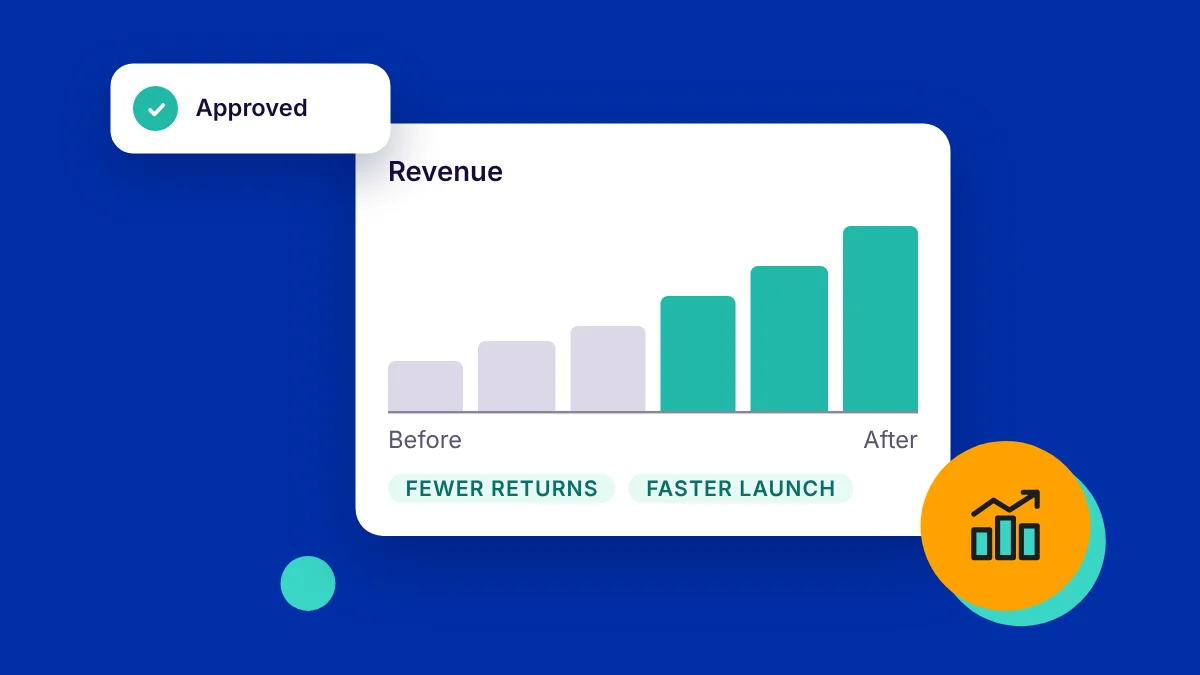
Product structure rarely appears in commercial conversations, yet it quietly determines how fast teams move, how reliably products launch, and how well customers convert. This article explains why weak taxonomy, attributes, and governance create permanent operational drag in eCommerce, how that drag shows up day to day, and what organisations must fix to stop paying for the same data problems repeatedly.
In most mid-to-large eCommerce organisations, product structure evolved reactively.
Categories were added to support short-term launches. Attributes were created to satisfy a single channel. Variant logic was adjusted to “make it work” for one product line.
Over time, the model lost coherence. The issue is not missing data. It is a lack of enforced structure.
Typical symptoms include:
This is structural product data debt. And it compounds.
When structure is unclear, every product requires human interpretation.
Suppliers submit data in inconsistent formats because requirements are ambiguous. Internal teams then compensate manually by reworking the same information repeatedly.
Rework shows up as:
Automation fails early. Rules cannot be trusted if attributes are duplicated or populated inconsistently. Inheritance breaks when variant models differ by category.
This is not a one-off clean-up cost. It is a permanent operational tax.
Poor product structure slows everything downstream.
Teams experience this as:
What should be predictable becomes reactive.
Marketplaces are structurally intolerant. They expect clean category mapping, complete attributes, and valid variant relationships. When your internal structure does not align, listings fail silently.
Common suppression triggers include:
The operational cost is immediate. Teams scramble to diagnose issues under deadline pressure. Fixes are applied manually at listing level instead of at the model level.
The commercial cost is larger:
Because suppression often looks like “low performance”, the structural root cause is missed.
Returns are often treated as a logistics or CX issue. In reality, many are caused upstream by structural inconsistency.
Poor structure allows conflicting information to exist simultaneously:
Customers buy based on one version of the data and receive another.
The cost compounds quickly:
In many categories, the true cost of a return is 2–3x the original shipping cost. Weak structure makes these returns inevitable and repeatable.
Product structure fails by default because no one clearly owns it. Responsibility is split across:
Local fixes are prioritised over global integrity. Duplication feels faster than governance, even though it creates more work over time.
At low volume, weak structure feels survivable. At scale, it becomes a blocker.
Without clear inheritance and schema control:
Scaling does not create structural problems. It exposes them.
Fixing product structure is about control, not enrichment.
Effective remediation includes:
This shifts work from late correction to early prevention.
When structure is stabilised:
The hidden cost stops compounding.
If your teams are repeatedly fixing product data late in the process, your structure is already costing you money. The first step is to identify where rework, suppression, and returns are being created and why.
Book a discovery call to review your product structure and governance: https://startwithdata.co.uk/contact-us/

Fill in your details and we will send it straight over.
Category structures and attribute models designed around how your customers search and buy.

Talk to us about your taxonomy and attribute model.