In short
A PIM implementation is not a switch you flip. Discover typical timelines, the phases you will go through, and the factors that speed things up – or slow them down – so you can set realistic expectations and still get to value quickly.
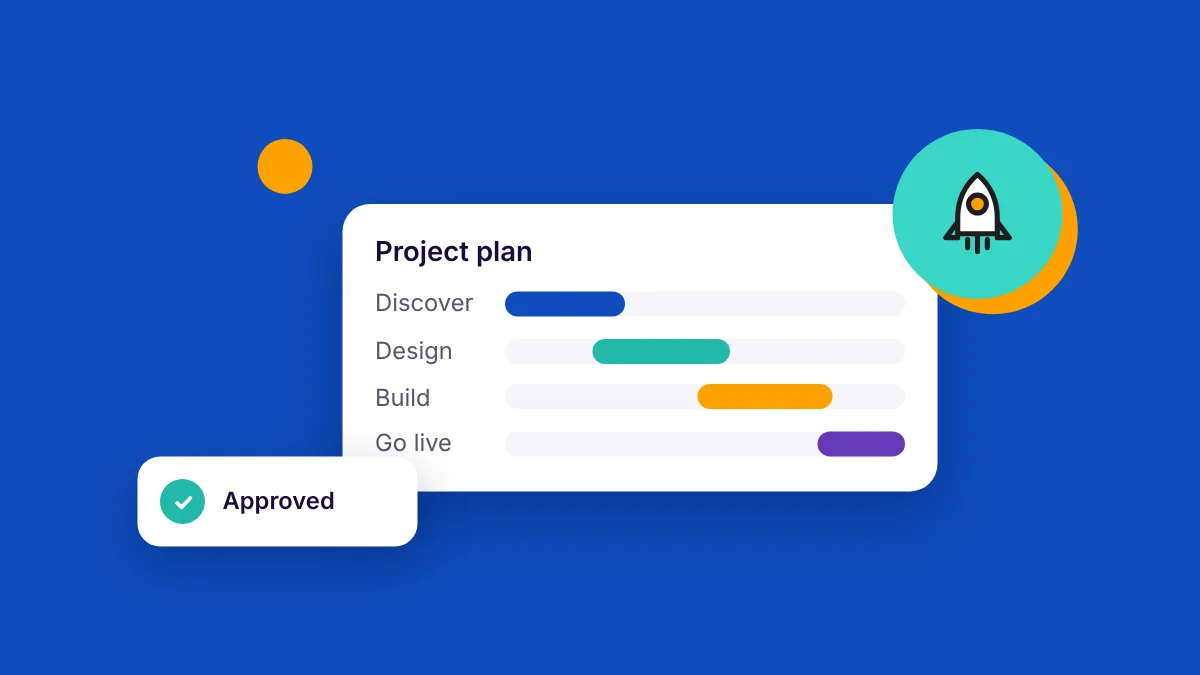
One of the first questions asked by those who’ve decided to invest in a PIM solution is “When will it be ready to go live?” The answer isn’;t quite as vague as “How long’s a piece of string?”, but it does depend on a number of variables. As a very broad rule, the majority of PIM projects land somewhere between three and nine months.
In this article, we’re looking at the real story about what happens inside that period of time and what you as a client can do to keep it under control.
Two companies can buy the same PIM platform and experience very different timelines and this difference rarely comes down to licence type or the number of users. Time taken is usually a function of:
These levers are the key factors determining your understanding of the process. Once you’ve addressed them you can, to a degree, start shaping the timeline as opposed to treating it as a magical mystery tour.
Most PIM projects follow something similar to the structure outlined below, even if exact dates shift. It’s definitely more realistic to perceive it in terms of project phases rather than waiting for one big “go-live” moment.
The preparatory phase where you define what success looks like. Tasks include:
Don’t attempt to rush through this phase because you’ll only end up paying for it later in time spent reworking. The time allocation here, for preparation and planning, is never wasted.
At this stage, the PIM begins to look like your system rather than a generic demo version:
If you’re using out-of-the-box connectors for mainstream SaaS platforms, it’ll keep this phase shorter. If, like many, you need heavy custom integration with an ageing legacy ERP or with niche tools , it’ll take longer.
Beware, because this phase can often be the cause of bottlenecks. Tasks will typically involve:
Again, if your product data is already well structured, this phase can move quickly. If, on the other hand, your catalogue lives in 40 different spreadsheets with conflicting values, expect it to take longer. Be relieved that you are fixing it now rather than crossing your fingers and hoping for the best. In our experience, do that and you’re creating a whole heap of problems further down the line after go-live.
Finally, you prove that everything works end-to-end and prepare the organisation:
Post go-live, most businesses then run a short ‘stabilisation period’, so they can address any early emerging issues before expanding the scope.
There are a few variables which tend to have an outsized impact on how long things take.
Finally, and perhaps the most important factor of all for gaining buy-in from pre-go live – Communication . In fact, let’s go further: Communication-Consultation -Involvement. That holy trinity will lay the groundwork for a smoother transition to a wholly new way of managing product data.
Ignoring this factor won’t save you much time. On the contrary – it’ll just shift the delay to adoption.
No two projects are identical, but the following patterns are commonplace scenarios:
The main aim is not to hit the shortest possible time; it’s to choose a scope that delivers meaningful value without overloading your business and the people working in it.
A number of pragmatic moves make a big difference. Try to ensure that you:
These steps aren’t rocket science. There’s no real mystery to running a successful project. But if this is your first PIM go-live, take a measured perspective, because this implementation acts as the start of a longer optimisation journey, rather than being a stressful ‘all-or-nothing’ event.
If you’re feeling pressure to “get PIM live by next quarter”, you’re not alone. Most teams start a PIM project knowing it matters, but without full visibility of what actually sits behind the timeline.
A successful implementation is not about going as fast as possible. It is about making the right decisions in the right order, setting a scope your business can absorb, and putting solid foundations in place so the system actually gets used.
PIM works best when it is treated as a long-term capability, not a one-off IT delivery. The choices you make around data quality, governance, integrations and change management will shape the outcome far more than the platform itself.
At Start with Data, we help retailers, distributors and manufacturers plan PIM implementations that fit their real operating model. That means phased roadmaps, realistic timelines, and a focus on data readiness before technology configuration.
If you want a clearer view of what your own PIM timeline should look like, based on your catalogue, systems and internal capacity, we are always happy to talk it through.
Get in touch with us today

Fill in your details and we will send it straight over.
Data modelling, configuration, migration and integration to get your PIM live and adopted.

Talk to us about scope, data readiness and what a realistic plan looks like.